In celebration of Jazz Appreciation Month, we contacted 30 artists who sail on our jazz programs to ask them about their affinity and love for jazz—from the first jazz album they bought to their first jazz concert to what jazz means to them. We hope you enjoy their reflections.
– Lee Mergner
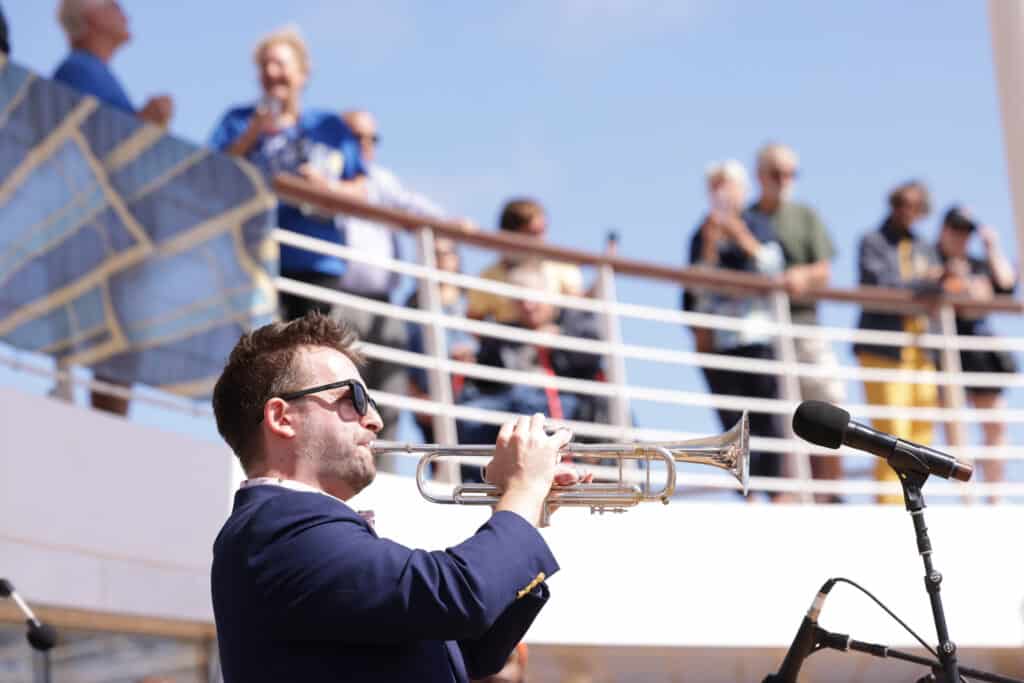
Music for All Generations
by Benny Benack III
The album Clifford Brown with Strings will forever be on my desert island list. I have never heard such a warm, crispy, beautiful tone on the horn before or since – my favorite! This record really informed how I want to play ballads and portray romance with the music.
READ MORE
I used to go to the Manchester Craftsman’s Guild in Pittsburgh with my grandmother who had season tickets. As a child, I got to see masters such as James Moody, Clark Terry and Ahmad Jamal before they passed and that exposure to those greats as a young, aspiring jazz musician really set me down the path I’m on today.
Call me a homer, but I remember my inaugural sailing on The Jazz Cruise in 2024 and how remarkable it was to see so many jazz luminaries in one place, on one stage, night after night. I’ve been to many jazz festivals around the world both as a performer and patron and, even on their most star-studded day, you can’t recreate the magic on the ships. I remember the “Bump It with a Trumpet” summit led by Randy Brecker, including Sean Jones, Terell Stafford, James Morrison, Bria Skonberg…the list goes on and on. It was like a young version of myself as a trumpeter’s dream to stare up at that group of my biggest heroes. Little did I know the next year I’d be up on stage with them.
I love how jazz has always “played well with others” in that its soul meshes so easily with other styles and genres of music. Jazz inherently suggests collaboration with artists of all backgrounds. It’s wonderfully inclusionary.
The global jazz community has never been closer, thanks to the advent of livestreaming and connectivity to scenes around the world. It’s an amazing feeling to waltz into a country you’ve never been before, don’t speak the language, yet show up at a jazz club with a jam session, and feel like you’re meeting extended family the moment a tune starts. To me jazz is a universal language people from all backgrounds and cultures of the world can speak to one another with. It’s music designed to bring people together, to create joy but also communicate great struggle and strife. Jazz is “Good & Bad, Happy & Sad” as I tell young students during outreach concerts. Being able to express oneself through music to have your voice heard is a very powerful thing. It’s music for all generations!
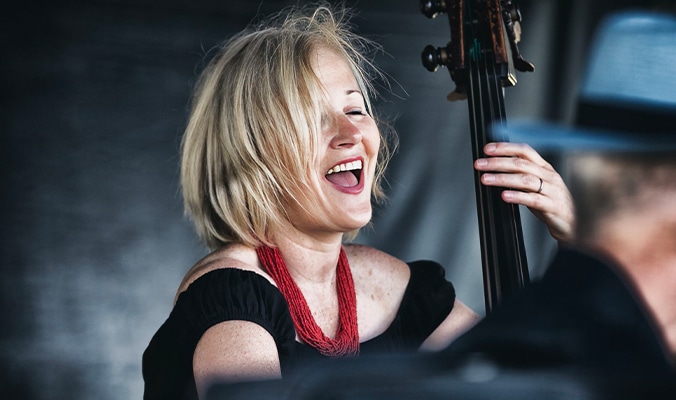
Totally in the Moment
by Nicki Parrott
My first jazz concert was when I went to the North Sea Jazz Festival in The Hague in the Netherlands in 1991 and I saw everyone from Pat Metheny to Miles Davis to Joe Henderson and countless others. It was my first time hearing jazz played on that level and it changed my life.
READ MORE
What I really loved about that festival at that time was the variety you could see in one day of the festival from small group straight-ahead swinging jazz to more pop jazz.
One thing I noticed was that it was all accessible to the audience and every band was swinging and grooving so much and I felt that everyone in the audience was into the music very intensely which made me very happy at the time.
Jazz is about freedom of expression and improvisation and swing and groove and at its best, you will never hear a song played exactly the same way each time. It is an art form produced totally in the moment.
The jazz community is very supportive. I have leaned on my musician friends many times to help navigate some of the harder parts about being a musician. Also, I find that great musicians are sometimes also great humanitarians and live life to the full with generous servings of good humor.
Jazz is a way of life for me. It’s something that brings me a lot of joy and I’m grateful and fortunate to have met and spent time with some incredible people through this music.
I love being on stage when an audience gets excited about what they’re hearing and I also love being in the audience when there’s something incredible happening on stage. It’s hard to describe in words how great jazz makes me feel, but a) I cannot live without it, and b) I wouldn’t want to!
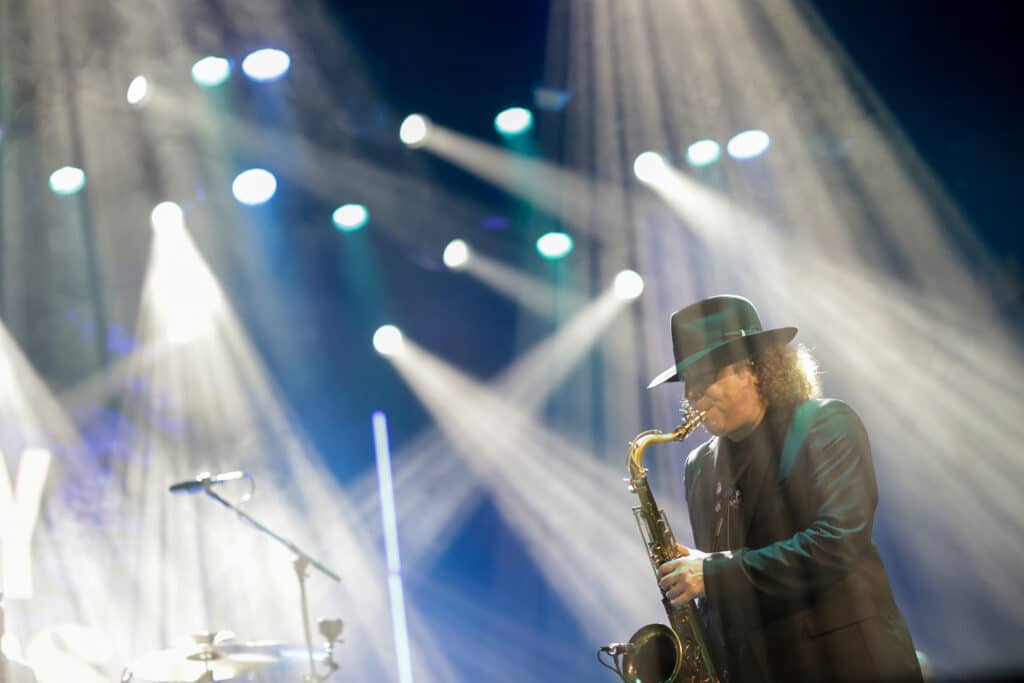
Freedom to Explore
by Boney James
The first jazz record I bought was No Mystery by Return to Forever. It might be the first record I bought with my own money, though my father had Dave Brubeck and Bill Evans albums around the house. I loved it so much. My whole musical world opened up in that year of 1975, along with Grover Washington, Jr, the Crusaders, Earth Wind & Fire and Stevie Wonder, et al.
READ MORE
It was a wonderful time for music, with the blurring of rigid genres.
Jazz to me has always meant freedom to explore.
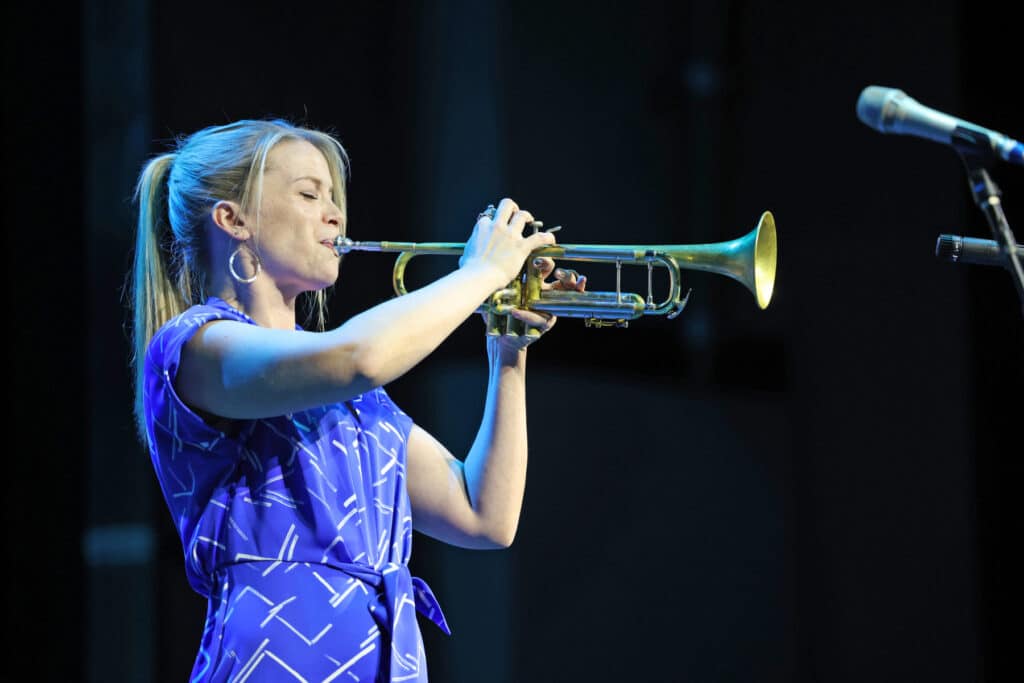
Jazz is Limitless
by Bria Skonberg
Jazz reflects the human spirit in all its beauty, simplicity and complexity. Jazz is limitless. It’s the ultimate art form and life pursuit to study, create, and discover. It won’t always be easy, but it will always be interesting.
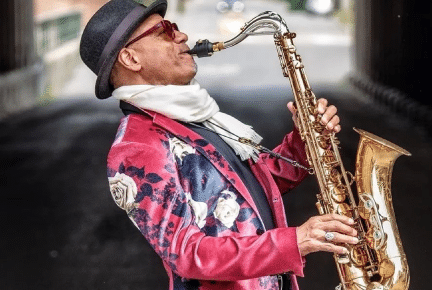
Jazz as a Continuum
by Kirk Whalum
One of the most humbling realizations of my nascent pursuit of this music as a 15-year-old was the community. When at first I was “asked” to be in the jazz band in high school, I posited demurred, as I was not in the least interested in that “old folks music.” The director politely restated the “offer” and said “you are now in the jazz band.”
READ MORE
What happened next literally changed my life. When I first experienced what it was like to be “inside” that small ensemble, where the sound was coming out and I was part of it. It felt magical. The idea of “swinging” was completely new to me, but not really. I was made to understand eventually the connection between that feeling and the “groove” of Earth, Wind & Fire, Rufus, the James Gang and all the other music I loved at that time. It’s the same thing. It’s a sonic representation of the feeling of being Black in America.
The beautiful thing about that, though, is that that music always welcomed other people in. And people like Dave Brubeck and so many others became part of that jazz family. It’s the most wonderful portrait of true democracy and equality, I believe, that exists in the world to date.
My first jazz record was a gift from my uncle. This uncle played piano for James Moody, who consequently became one of my saxophone mentors. Once he found out I was interested in jazz he handed me a record of a guy named Coltrane. As you can imagine, I didn’t get it! It was only years later when I went to Texas Southern University, that I began to understand this complex language that John Coltrane was speaking.
Nonetheless, that first record stays with me. And it ended up lighting my path to produce a series called The Gospel According to Jazz, for which I won a GRAMMY alongside the great Lalah Hathaway who has graced the stages of The Smooth Jazz Cruise. The name of that first album was John Coltrane’s A Love Supreme.
But, speaking of family, I’ve had plenty of inspiration and mentoring from people named Whalum. The main one was my incredible uncle from St. Louis (he spent the last 80 of his 99 years there in St. Louis). Though he made his living primarily as a piano bar musician, he began his career playing saxophone with such greats as Nat King Cole. To say that Uncle Peanuts’ influence on me was disproportionately grand is absolutely true. He was a force of nature. As it happens, he and the jazz musician father of our friend Michael Lazaroff were best friends and band buddies.
The first live jazz I heard as a young musician and student of an HBCU was the great Pharaoh Sanders. I saw something that day that I considered to be the one and only miracle I’ve ever seen in person! There was a point at which Pharaoh had been circular-breathing and playing a certain sequence of notes — in a trance like repetition — when he took his mouth off the mouthpiece and the sound kept going.
Now I know what you’re saying right now, but that’s absolutely what I experienced. It’s still the way I have remembered it ever since I saw and heard it. To this day, I’ve never done drugs and barely drink up, so I was absolutely sober when this happened.
I quizzed him on it backstage that night, inquisitive 19-year-old I was. But he just sat there in silence and stared into the abyss as if I didn’t exist. I’ve never since seen anything like it. And I used to belong to one of those churches that believed in miracle, on-the-spot healing! Given all that, I’ve only seen one actual miracle in my life. And that was that night at a small jazz club in Houston.
It had a profound effect on me as to the spiritual and mystical powers of this music called jazz.
The best I can do to describe the indescribable, jazz, is to relate and experience I had when I was 19 (yes, the same year that I saw Pharaoh Sanders). I was privileged to receive what the French call “une bourse” (a scholarship) to study in Paris for the summer. Many years later, Ruby and I took our four kids and moved there for about two years.
But that summer I spent in Paris studying at L’Alliance Française — a very famous language school — I also cut my entertainer teeth by busking on the streets of the Latin Quarter, directly across from Notre Dame. Someone invited me to share a Eurail pass and to go down to Nice for the Nice Jazz festival. I made an executive decision to take two weeks off from my French class.
Again, the word life-changing. But besides seeing about 20 of the world’s, most famous jazz luminaries are close and personal that you’re in 1978, I got a crazy idea. As I said close to the stage watching James Moody, Shelly Mann, Roland, Hannah, Sonny Stitt, Milt Jackson and others, my heart started beating extremely fast. The thought had come in my mind to seize the moment! I was going to walk my 19-year-old self up on stage and sit in.
At this point when my friend saw me unpacking my horn I saw the look of utter panic across his face. He was there in Paris studying medicine at the Sorbonne, so you can rightly assume that he wasn’t familiar with the jazz life! But he got a crash course that day.
I indeed walked up and played. Too much shock in amazement. No one threw a symbol at me or kick me off the stage. Listening back now though — and here’s the link of that performance. I didn’t sound all that good in retrospect! Imagine a newborn baby horse trying to walk… but it was formative for me. I’m so glad that I reached deep for all the courage I had. I had much more of it than I had virtuosity — and just did it.
The next day, I was able to get a one-on-one lesson with one of my three sax mentors, James Moody (the other two were my uncle and the great Texas Tenor, Arnett Cobb). The lesson only lasted two hours, but it truly charted my path. In fact, what I teach young musicians today in terms of technique, I learned in those two hours with the man. Jazz is the only art form that is both communal and highly individualistic, both dependent on highly refined virtuosity, and the spirit of the moment, both the continuum of the great jazz musicians of the past, as well as the street swing and groove of today.
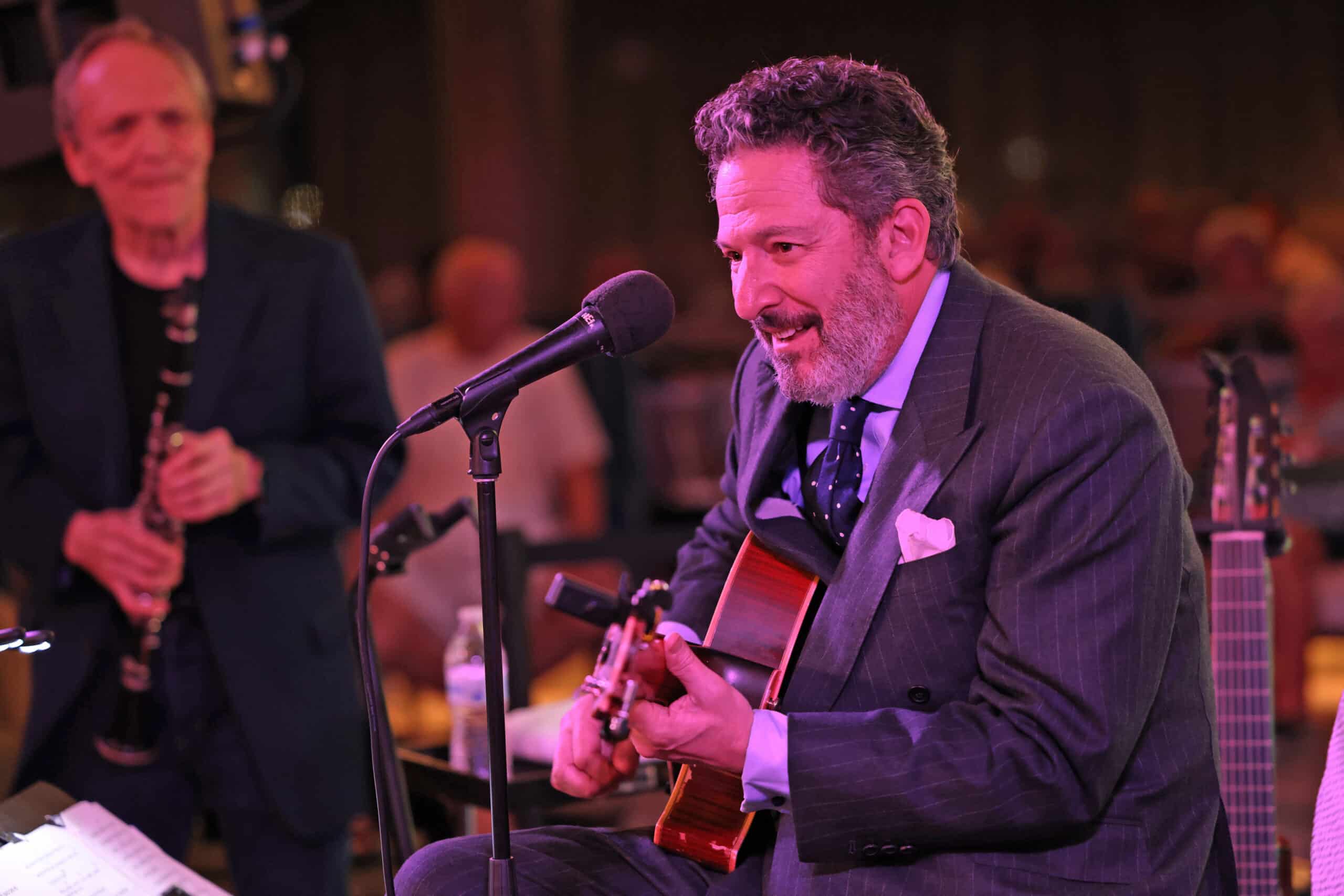
Jazz Never Stops Teaching Me
by John Pizzarelli
I probably heard my father [guitarist Bucky Pizzarelli] and George Barnes somewhere first, but I remember a Maynard Ferguson concert in a Belleville, NJ restaurant that I attended with my father where I remember standing up and applauding, and really being moved and thinking I was doing all this in front of my father!
READ MORE
One of my favorite jazz concerts I attended was the Pat Metheny Group at the Beacon Theatre in October 1988. I took my father and mother and a friend of mine and his wife. I had a great time watching my father listen to this group and be so interested in everything Pat was doing. Jazz is really all I know. Benny Goodman, Zoot Sims, Slam Stewart and Bucky Pizzarelli, amongst many others, were my teachers. It has taken me all over the world when I thought I would never be able to drive in and out of New York myself. It has introduced me to amazing people who have changed my life both personally and professionally. Jazz never stops teaching me. It means worldwide inclusion from listener to listener, player to player, and listener to player. It is its own language that everyone can learn. Quite amazing actually.
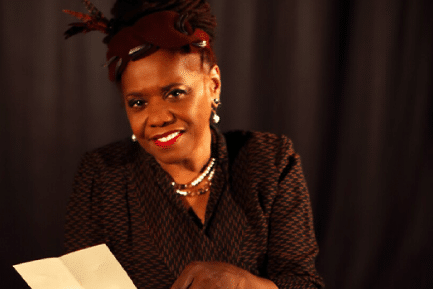
Community & Mentorship
by Catherine Russell
Hard to remember what the first jazz record I bought was, but I believe it was a compilation of Dizzy‘s recordings from 1937-1947. I love the mix of swing and bebop. It made (and still makes) me very happy!
I think the first jazz concert I attended was Monk. I might have been 10 or 11 years old.
READ MORE
My mother [bassist/guitarist Carline Ray] took me to hear him. His incredibly beautiful tunes, style and technique spoke to me deeply. Like nothing else I’ve ever heard to this day.
Jazz gives me purpose in life. It means community and mentorship. Striving to be the best at living and growing in the moment, through musical expression. Being inspired by great musicians. What a wonderful way to live!
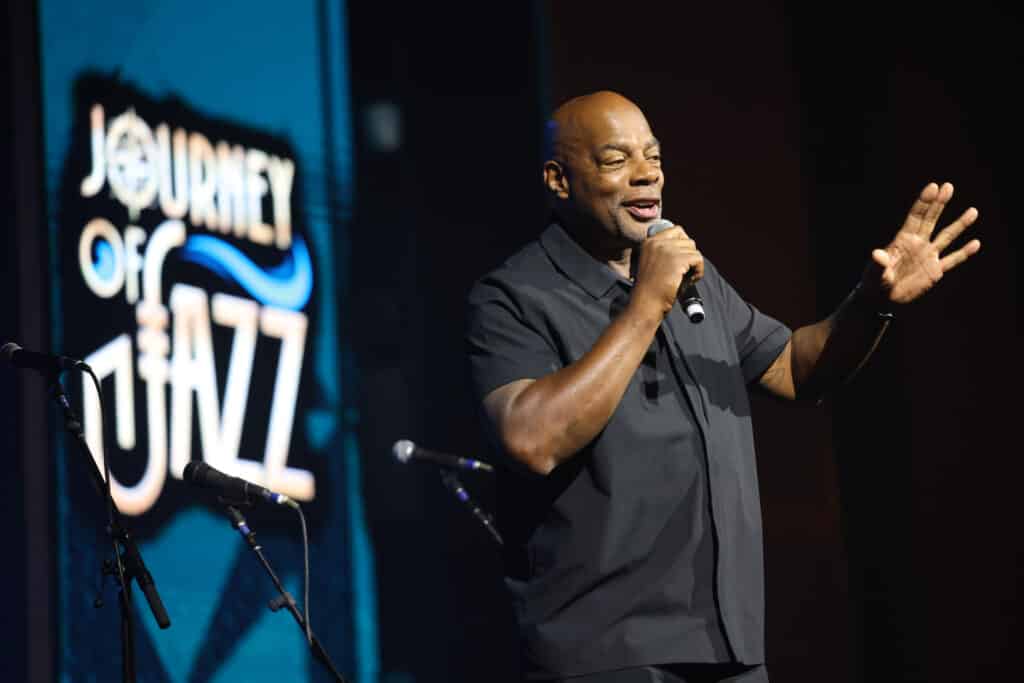
Peace, Fascination & Creativity
by Alonzo Bodden
The first jazz record I bought was Where Have I Known You Before by Return to Forever. Blew my mind. I didn’t even know much about music but I could tell these guys were super talented. Also it was so different and more involved that anything I’d heard on radio. I’m still a fusion head to this day.
READ MORE
My first jazz concert was Weather Report in 1978, I think. I didn’t know much about music but I loved these guys creativity and solos. It wasn’t like dance music or anything. It was just about the music and the vibe. I was 16. Guess I was a weird kid.
There are so many memorable jazz concerts that it would be difficult to narrow it down to one. I loved the late night shows on the jazz cruises. Hearing Marcus Miller, Dave Sanborn and George Duke or Gerald Albright, I could tell they were friends just jammin’. The first time I heard Samara Joy sing was special. SMV with Stanley Clarke, Marcus and Victor Wooten together blew me away. Robert Glasper at Hollywood Bowl with Lupe Fiasco was a crazy combination of jazz and hip hop.
I’m honored to be a part of the jazz community especially since I don’t play an instrument. One of the highest compliments I received was being told as I improvised some comedy that I was doing jazz.
For me it’s the creativity of the music and the musicians. I can listen to five versions of the same song sometimes by the same artist. Jazz to me is peace, fascination and creativity.
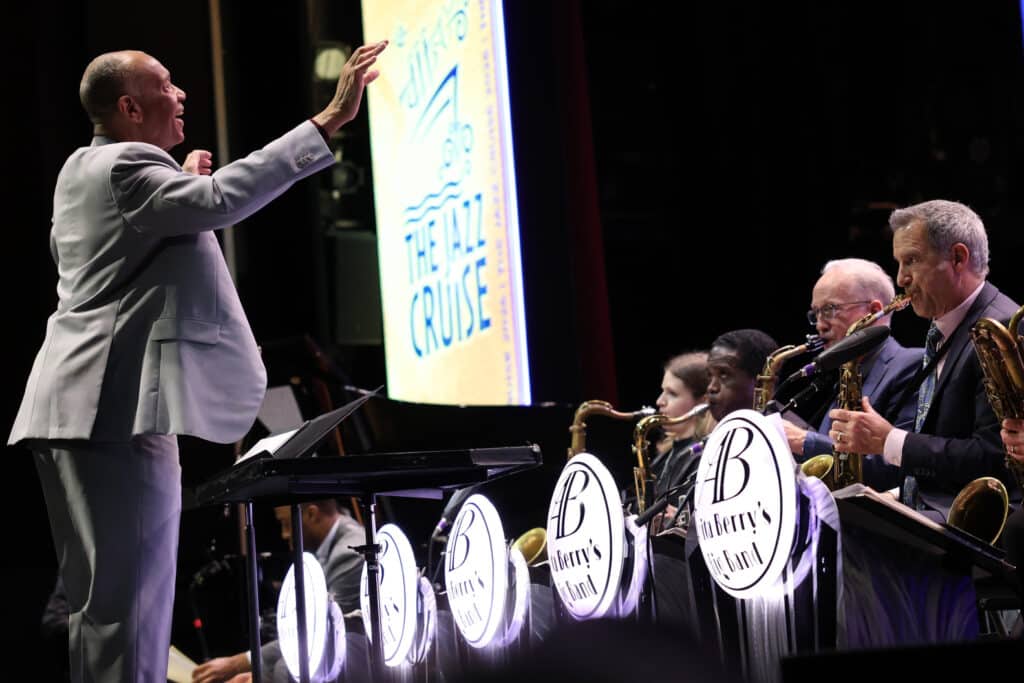
A Big Sharing Bazaar
By John Clayton
I didn’t initially buy it, but the one jazz album that I heard at age 15 that changed my life was The Trio by Oscar Peterson. The song was “Billy Boy.” Later, I learned every song on it. That record was the rocket launcher.
READ MORE
The first real professional jazz concert I saw was with Milt Jackson, Teddy Edwards, Ray Brown and The first real professional jazz concert I saw was with Milt Jackson, Teddy Edwards, Ray Brown and Monty Alexander. That year, Monty introduced Ray and Milt to a young drummer, Duffy Jackson. They played at Shelly’s Manne-Hole and I was stunned from the excitement overload.
Ever notice that there’s no widely accepted definition of jazz?? But I would say that however you define it, it has to include that it is improvisation with your soul attached to it. Those are two key components for me.
Every successful community, ‘hood, village, etc., represents comfort. Jazz folks are my comfort zone. Jazz means I GET to funnel my feelings through something that I share with others; with musicians and listeners. It’s a Big Sharing Bazaar of soulful sounds and improvisation that comes from my heart.
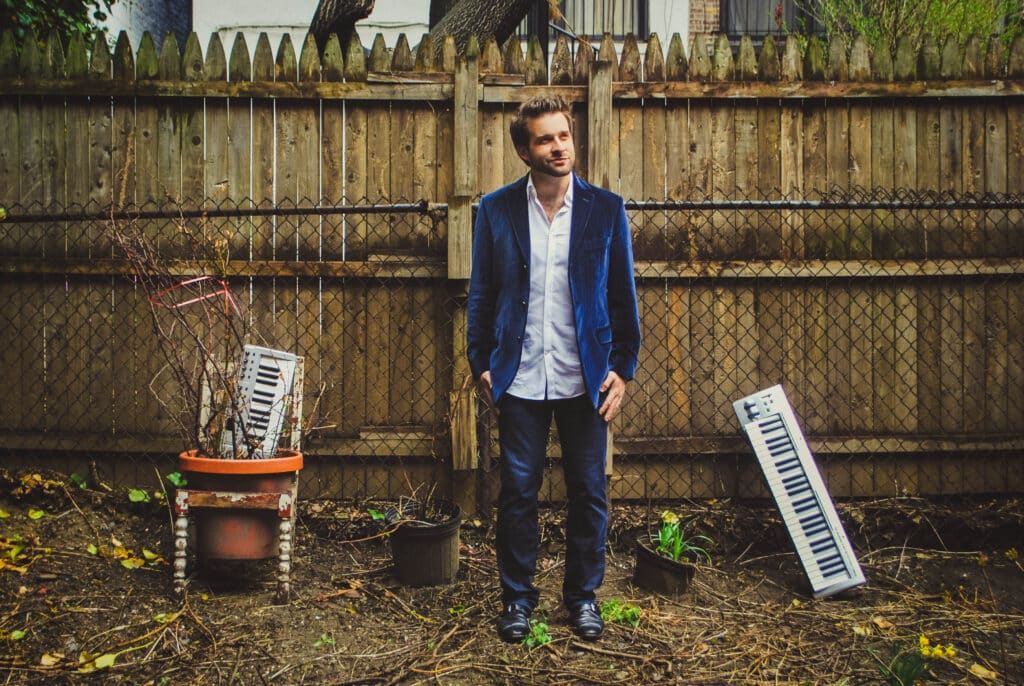
A New Experience Every Time
By Taylor Eigsti
Jazz is a music that invites communication and storytelling into the present moment, and gives the people playing it and the listeners a new experience every time, where anything is possible.
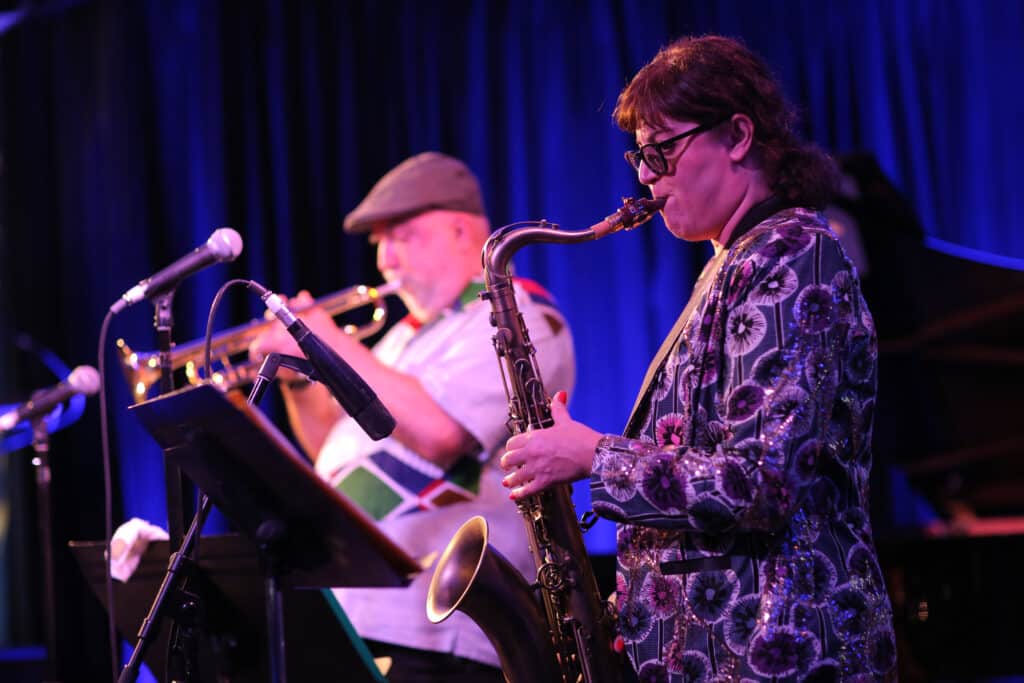
Freedom of Expression and Interpretation
By Ada Rovatti
The first jazz record I bought was the soundtrack of the Blues Brothers movie. When I was listening to the solos I was captivated by what they were doing and recognized there was something deeper and unknown to me that challenged me.
READ MORE
Even if that recording might be seen as accessible and easy listening, it really open my curiosity to a different world.
The first jazz concert I attended was a local Italian big band and I was intrigued by the “freedom” of the soloist and the colloquial interaction.
The most memorable jazz concert I saw as probably at the Kennedy Center, where I was able to see Herbie Hancock, Wayne s\Shorter, Aretha Franklin, Jimmy Heath, Geri Allen, Patti Austin and George Duke all together.
The jazz community is like an extended family. When you play and perform with someone it creates a bond and understanding that is hard to explain and it lasts a lifetime.
Jazz means freedom of expression and interpretation. It’s my balance and my grounding secret.
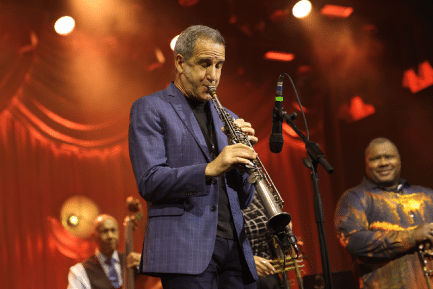
Energy and Expression
by Eric Marienthal
Jazz to me is about communication. Being aware of what each member of the band has to say and responding to it. A jazz musician might think of a song as a series of musical questions and everyone in the group can contribute to the limitless number of possible answers. Each performance of a tune can be played completely differently from one night to the next.
READ MORE
The energy and expression of the music can be set by any member of the band at any time. It’s about being open to whatever is going on and thinking of creative ways to contribute and elevate the music.
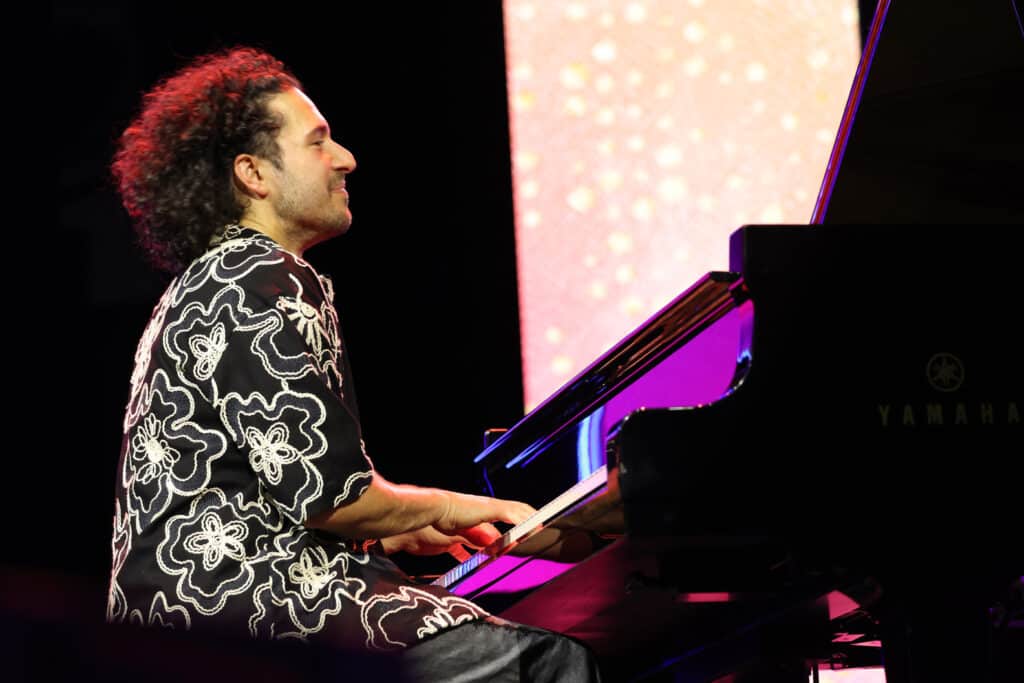
An Artform That Demands Presence
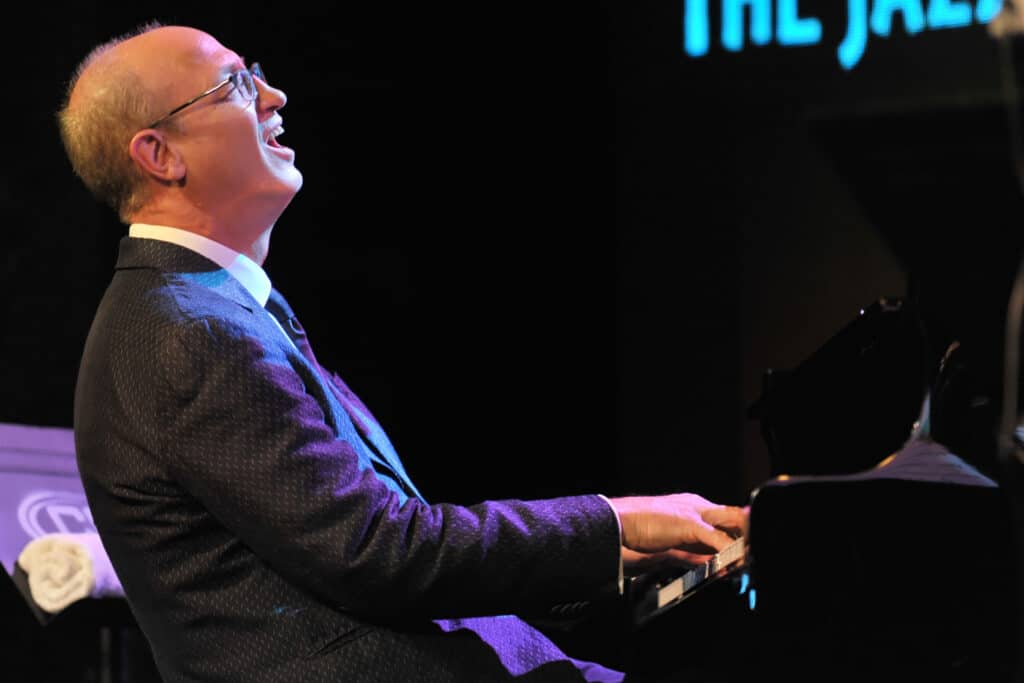
By Emmet Cohen
Jazz is a living expression of freedom, connection, and truth. It’s an artform that demands presence—listening deeply, responding in real time, and a firm trust of those around you. Both the player and the listener. At its best, it’s a model for how we might live: celebrating individuality, while displaying love and respect for others.
We Do It Because
It’s Our Calling
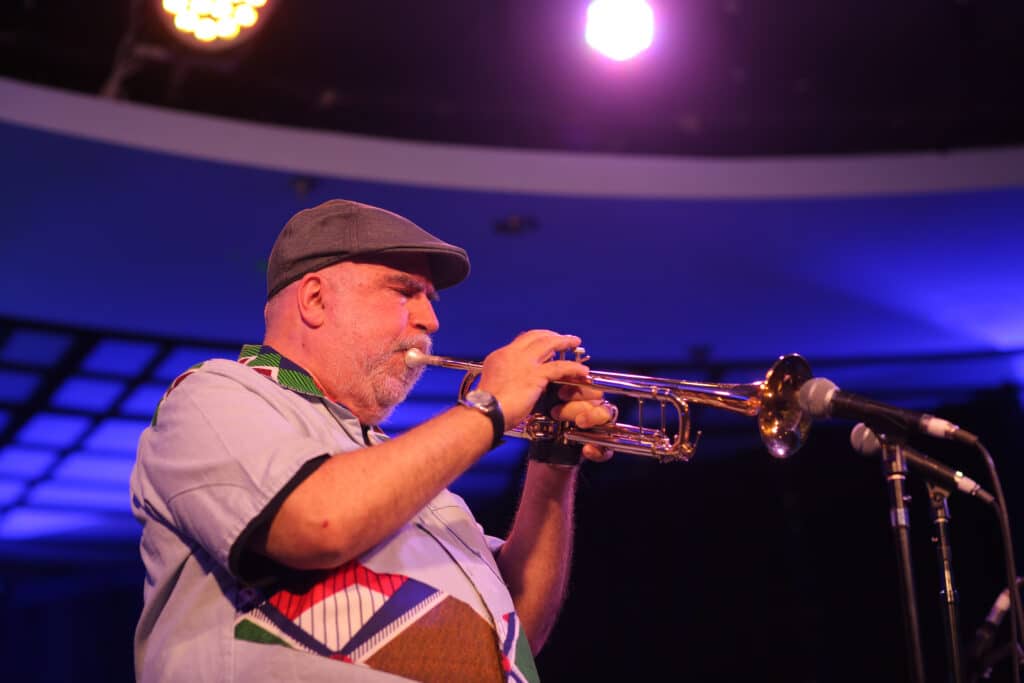
By Randy Brecker
My first jazz album was Mingus‘s Blues and Roots since he looked so hip on the cover. I also had my dad’s record collection before that at my disposal which included 78s like Annie Ross’s “Twisted,” plus early Bird, Miles, Stan Kenton, Basie, etc. My mom paid for Blues and Roots, and it made more than an impression on me.
READ MORE
It was a revelation and it defined soul, something else you can’t put into words coming from the music’s deep connection with the African-American church and way to worship in joy and love, and not fear or sorrow.
I was too young, but I was probably around five years old when I first heard people like Miles, Dizzy, Maynard or Brubeck. It was already part of my life and I was in the thick of it. My Dad made sure I was with him. I was a hip little kid, because when I was eight years old, we had music once a week at our little school, and each week it was someone’s duty to bring in their favorite record. The kids brought in a lot of Elvis, but I brought in Jon Hendricks singing “Cloudburst” and I could sing along the whole thing. That was the year I started on trumpet too. Yes, also at age eight.
What makes jazz such a special or unique genre? Well, as Pops said, “If you have to ask you’ll never know!” You can’t put it into words as he implied. But it activates something or some place in my brain that nothing else activates. You have to know how to follow form and understand interaction. And know the history and the tune well, or else it’s just jibberish. So you need to have a certain intelligence. Yes, I’m an elitist with pride when it comes to music and jazz. Being part of the jazz community means mainly gigs along with a whole lotta love. Everything else is icing on a cake I don’t really need. But there are things I have to live with to get gigs, and of course we need not only our fans, but also writers and critics, et al, but simply put: Excepting my family, music is my every breath and literally LIFE. Or as Keith Richards put it when asked a similar question by a female journalist regarding how he stayed “inspired” with his music he declared: “It’s all I got, baby…It’s all I got!!”
Music defines spirituality, since you can’t see it or touch it. It’s in the air. And it’s way better than having religion in your life. It takes its place. You don’t have to stand up and sit down when you pray collectively like in a church every five seconds. It just takes the place of needing religion in your life since it is unconditional love and a bottomless pit of American history and information. The more you learn, the less you know.
A Direct Link From Human Emotion to Sound
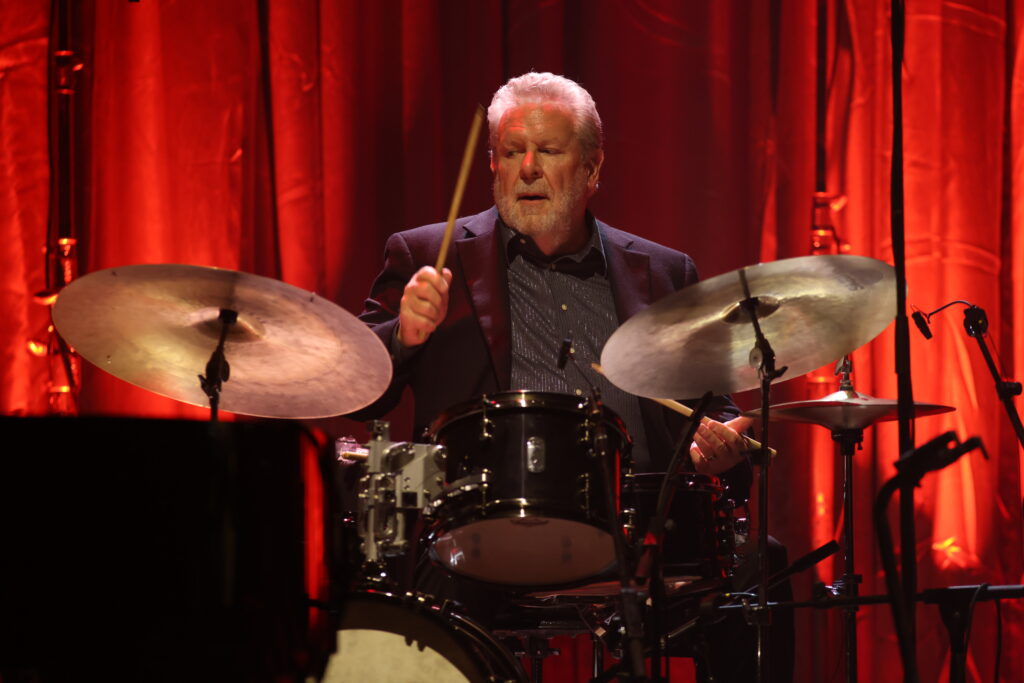
By Shelly Berg
The first jazz record that captivated me was Blues Etude by the Oscar Peterson Trio. The hundreds of times I listened to lit the fire in my aspiration to be a jazz musician. When I was 12 my father took me to a concert by the Kent State University Big Band. I was never so excited in my life. I couldn’t believe what I was hearing!
READ MORE
When I think of what jazz means to me, I think of “community” and “healing.”
Jazz is a community of audience and artists whose well-being is enhanced by the music.
Jazz is special because it is a direct link from human emotion to sound. The things that I am feeling are translated into the notes I play and how I play them. The audience picks up on my intent, and that is why the music is so unifying and powerful.
An Out-of-Body Experience
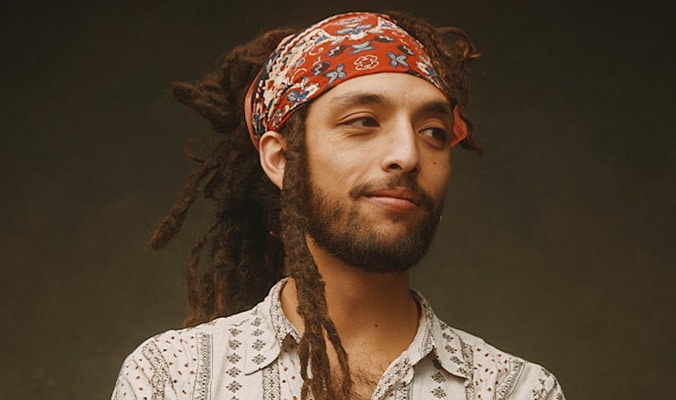
By Jeff Hamilton
The first jazz record I bought was the Oscar Peterson Trio’s Night Train. I played to that LP while imagining playing with that trio one day. [I did.] The first jazz concert I attended was the Buddy Rich Big Band. I wanted to do that the rest of my life.
READ MORE
My most memorable jazz concert was Montreux Alexander- Live in Montreux.
My first major recording was an out-of-body experience with the enthusiastic audience and atmosphere of Montreux, Switzerland 50 years ago, with Monty Alexander and John Clayton.
I can’t imagine jazz NOT being a major part of my life. I’m not sure it can be put into words.
In Search of My Roots
by Mathis Picard
I was born in France, in a small town called La Tronche which is next to the more well-known city of Grenoble. For a short period – the age of 3 to 6 years old – my family lived in Chicago and then Pittsburgh where I started taking piano lessons with the Suzuki piano method. This was because I couldn’t get away from playing around on the upright piano we had in our home.
READ MORE
Upon moving back to France in Fontainebleau, I continued classical lessons. Scales, sheet music and classical theory were on the menu every day. By the time I was 7 I had been playing piano for 4 years. However, the routine of the strict (and sometimes mean spirited) nature of my lessons was quickly becoming a chore. I was quickly losing the joyful spirit I had felt when I would play those notes for fun as a toddler.
On the verge of quitting music, my mother saved the day by introducing me to a jazz summer camp that was taking place at a school in the famous forest of Samois, a region where the great French guitarist Django Reinhardt got his start. There I was introduced to the music of Horace Silver, to be precise I remember the first song I learned was “The Preacher.” I was immediately captivated. You mean to tell me that I get to play music with drums and bass now? With other kids? I get to improvise the melodies I heard in my head and work with a band to create music that had rhythm which made me want to dance? Little did I know it then, but I get to express myself and learn a language called the blues?
Instantly my connection to jazz was made and this notion that the music required me to express my emotions in real time, while learning new compositions made me fall in love with music again.
I was hooked and started learning at much as I could. I learned many songs throughout my early years and most importantly I learnt them with my siblings who also played at the time, we had a band – The Picard 5! It was one of the ways we got to hang out. Herbie Hancock, Oscar Peterson, Keith Jarrett, I couldn’t believe that these pianists would create music in the moment and their music was based on soul and tradition. I simply had to keep learning about what they were doing and how they were doing it.
Honing my craft as a pianist and an improviser, I took my musical journey to the next level, and from the age of 11 to 17 I attended a music boarding school in Manchester, England which had a majority of classical students. The jazz program that I was a part of was small but mighty, with fantastic teachers. Working with what we had, I would create my own bands; write my own music and make friends with musicians in Manchester who were also passionate about this music. The sense of community that we built around this music was what kept me invigorated and energized. The creation of community is a gift that Jazz music had provided since such a young age. We listened to each other, celebrated each other and essentially also taught each other what we knew.
At boarding school there was another element of the music that was starting to take shape. Since the school was largely classical, all the piano students around me were playing Liszt, Rachmaninov, Chopin, etc. While that music was beautiful to my ears, I didn’t feel entirely connected to it at the time, at least not much as the music I had played with my siblings as at kid.
So while my friends boasted about playing their solo piano repertoire, I found a style of solo piano music that would change my life forever and this was the Harlem Stride Piano School. When I discovered the mastery of Art Tatum (through realizing he was Oscar Peterson’s idol); and the music Fats Waller and James P. Johnson; I felt I had discovered what was my classical music repertoire. It was exciting, orchestral, grooving, difficult (this seemed important to us as teenage pianists) but most important to me it had this quality of music that I really enjoyed, it had joy. It helped me find my identity as a solo pianist.
In my early years in Europe, Jazz music helped me create communities with those that were also interested in the music, it helped me learn how to communicate ideas in real time with my friends (and my family earlier on!). My relationship with jazz music made a profound step forward once I actually moved to the United States at the age of 17.
Now having moved away from my home and finding myself starting all over again, I was now in New York City, one of the meccas of jazz music (along with New Orleans) and there everyone could really play. The lessons I would learn were ten-fold. Now I was welcomed into an existing community that had been growing for years, a tradition that had been nurtured for generations ever since before The Harlem Stride Piano school. I could really sense that this music was a language being spoken. Granted, I was intimidated and homesick, but as always with the music, it helped me find my way forward. I started learning more about the artists who created this music.
I started learning about their lives. While learning about the creators of this music, it helped me grow a better understanding on the history of the United States. At this point I wasn’t just in love with the sound of the music, I was captivated by the story of the women and men who dedicated their lives to create this music that I loved. I was learning of all the way in which these artists continued to strive forward despite the adversities they faced in this nation from day to day. Now the gift of freedom of expression; working together; had a much deeper meaning.
The music was no longer only about me finding my own voice, it became a framework for educating myself on artistic and human greatness. A greatness built on breaking down barriers; challenging the norm; a greatness built on a democratic system which allowed space for everyone to share a common ground.
Jazz music has continuously been a great ecosystem where I built and was welcomed into homes with my new families. The Jazz Cruise is one of these homes for me. Many artists on The Jazz Cruise I have met on day-one of moving to the United States. I feel extremely grateful for the brotherhood and sisterhood that I have made, and that we get to come back together each year on the cruise to keep sharing this journey in life together through the music. The same can be said of audience members who have now become great friends.
Jazz music has encouraged me to always be in search of my roots, and to be proud of them. Because with strong roots, with a knowledge of the past, you can move forward. Jazz music has healed me on too many occasions to count, it has also challenged me to be a better person, more open; more patient; more disciplined; more relaxed. As I continue my journey with this music, I feel compelled to create the same way my idols have, and hopefully some young kid somewhere in the world can be inspired by the music and learn about the great lineage of this music. Because through it, you can learn truly what it means to be alive, you will feel feelings that are beyond words, this is what makes life worth living and I owe my life to it.
What Jazz Meant to Them:
Words from the Masters
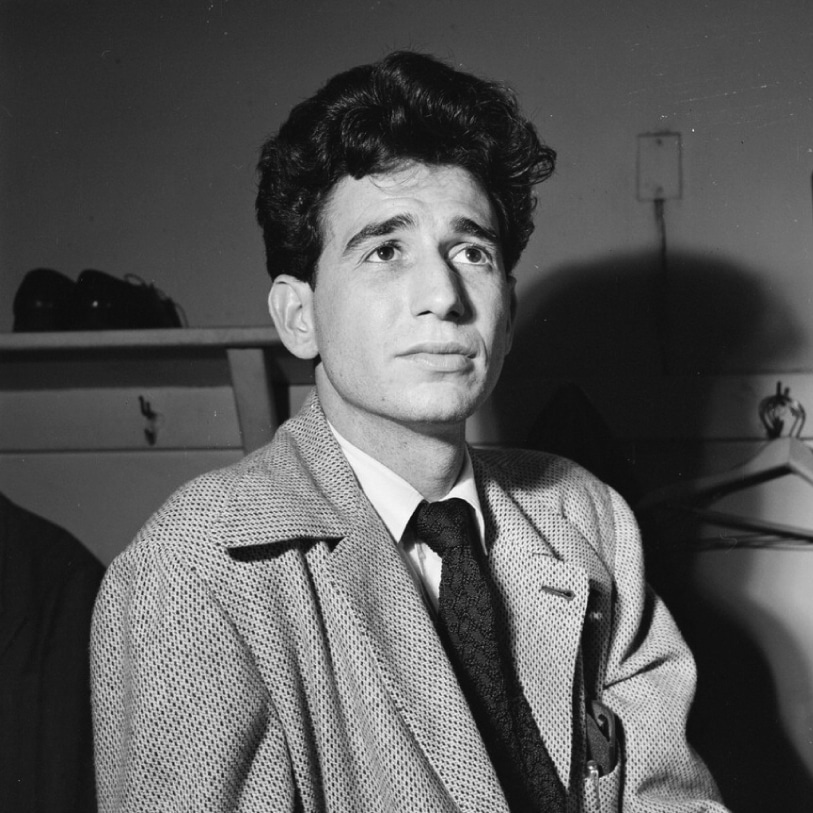
“The definition of jazz is never play the same thing …once.”
– Shelly Manne
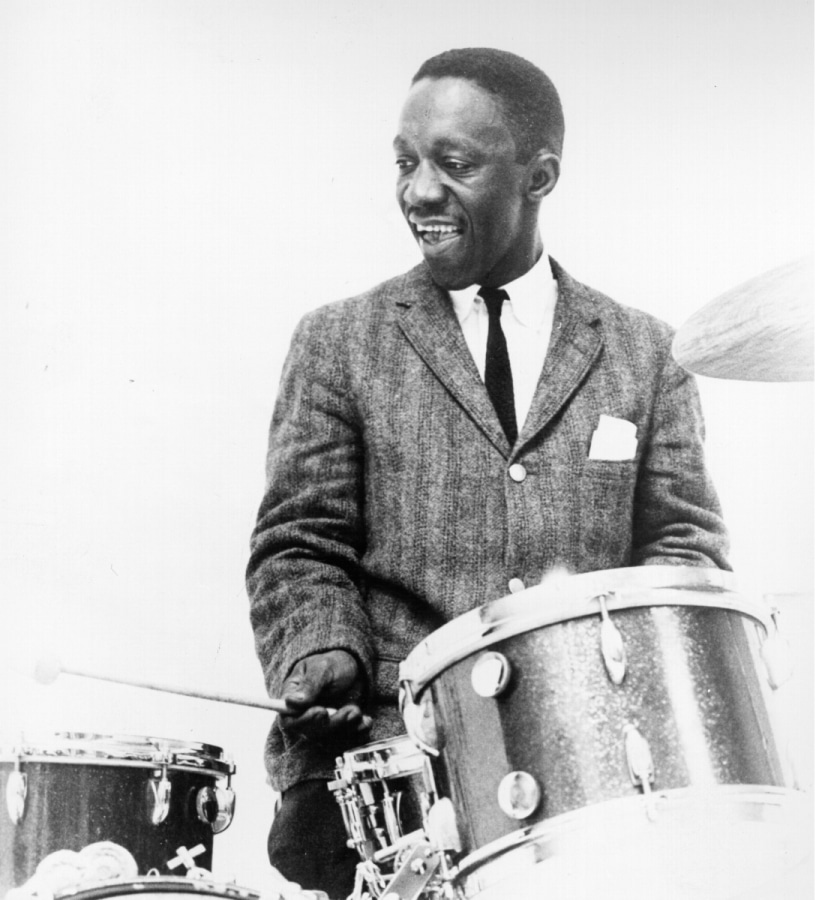
“Jazz washes away the dust of everyday life.”
– Art Blakey
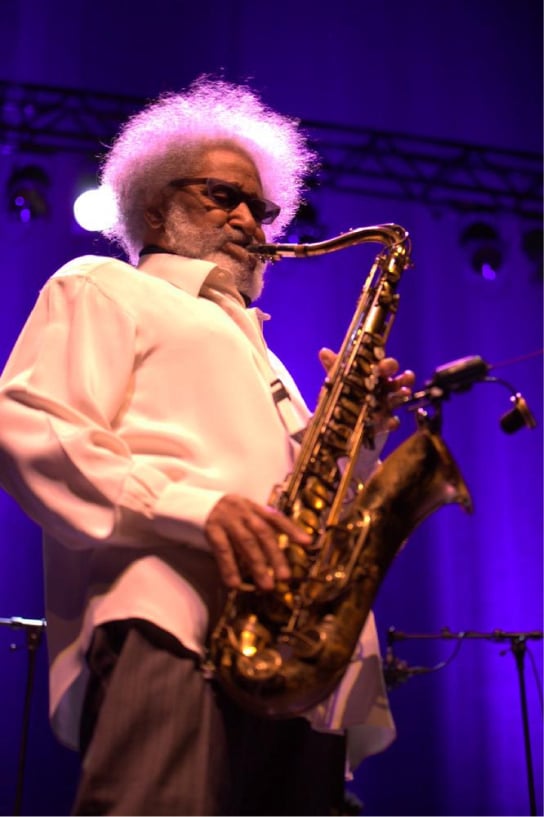
“Jazz is love.”
– Sonny Rollins
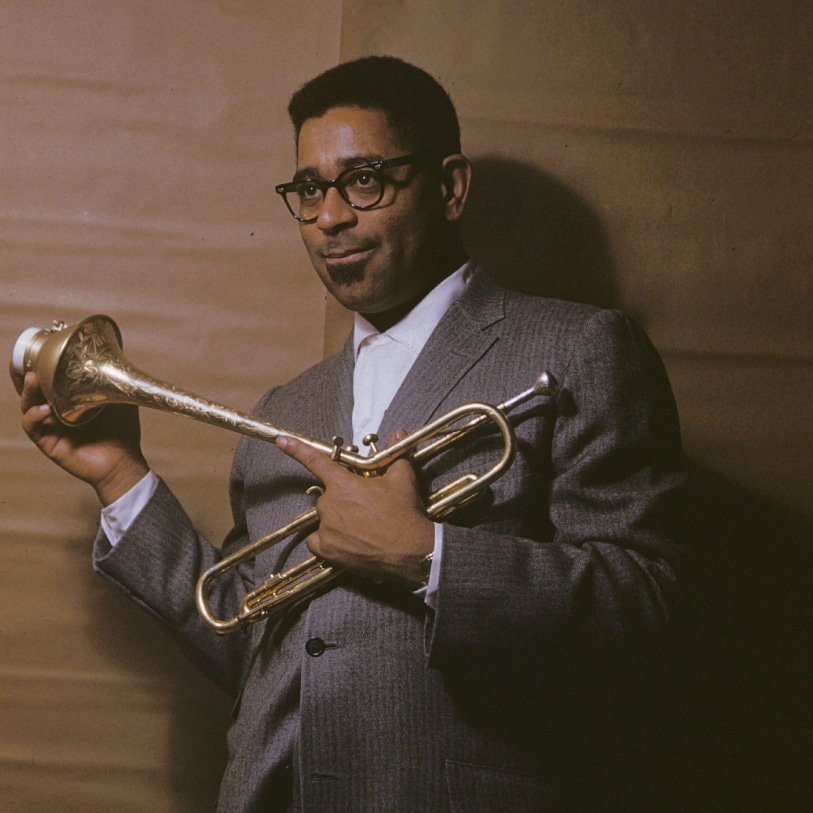
“As a jazz musician, you have to keep one foot back in the past and have one foot forward in the future.”
– Dizzy Gillespie
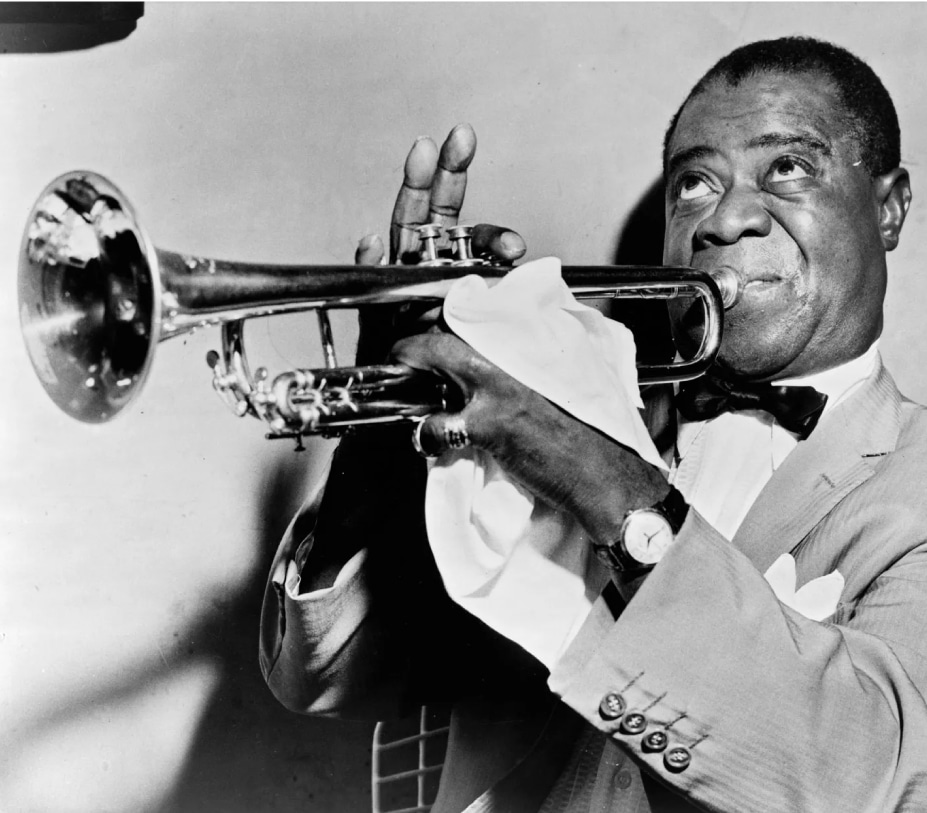
“What we play is life.”
– Louis Armstrong
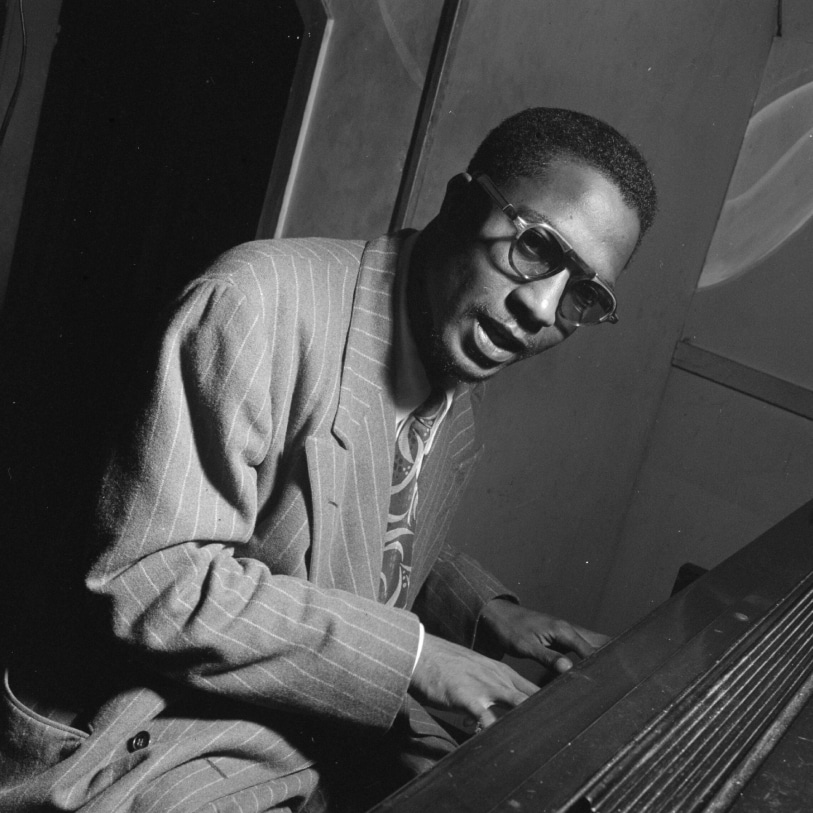
“Jazz is freedom. You think about that.”
– Thelonious Monk
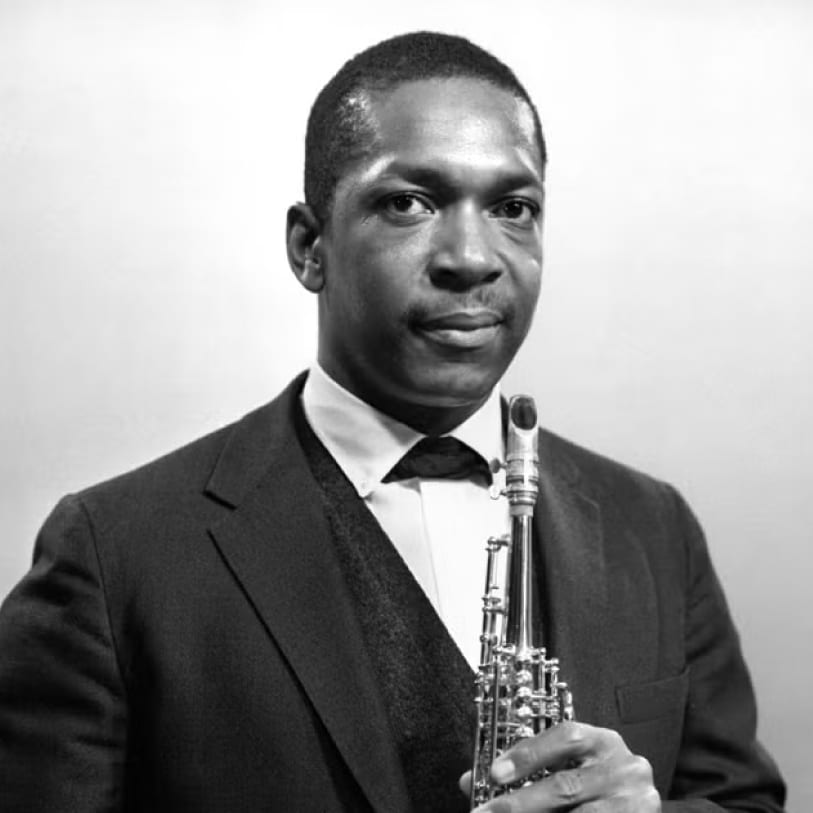
“All a musician can do is to get closer to the source.”
– John Coltrane
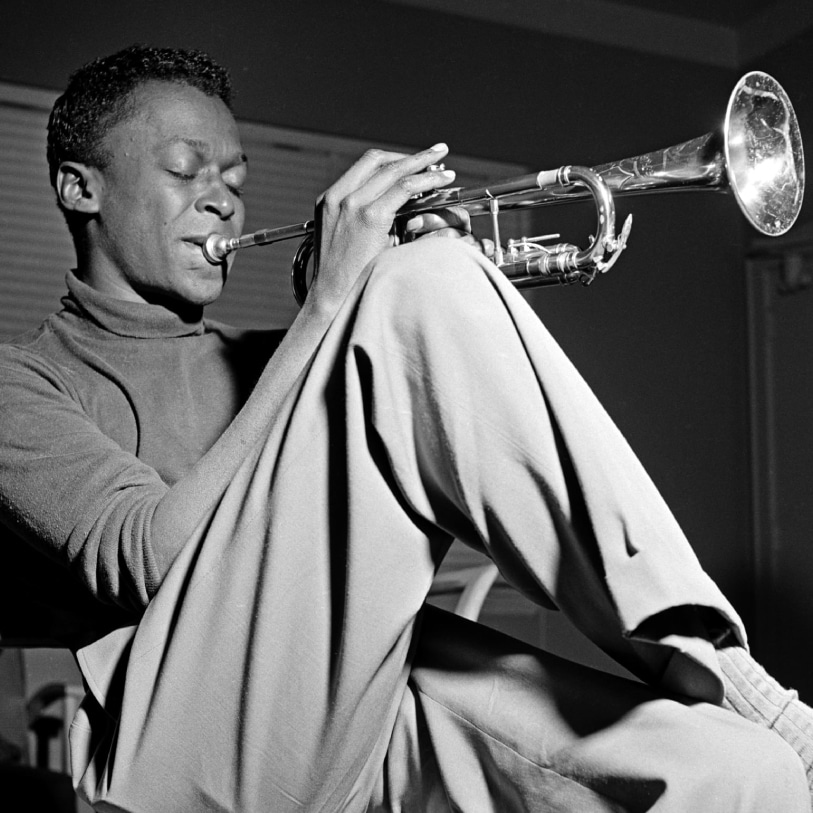
“For me music and life are all about style.”
– Miles Davis
“By and large, jazz has always been like the kind of a man you wouldn’t want your daughter to associate with.”
– Duke Ellington
“If you find a note tonight that sounds good, play the same damn note every night!”
– Count Basie
“No two people on earth are alike, and it’s got to be that way in music or it isn’t music.”
– Billie Holiday
“The only thing better than singing is more singing.”
– Ella Fitzgerald